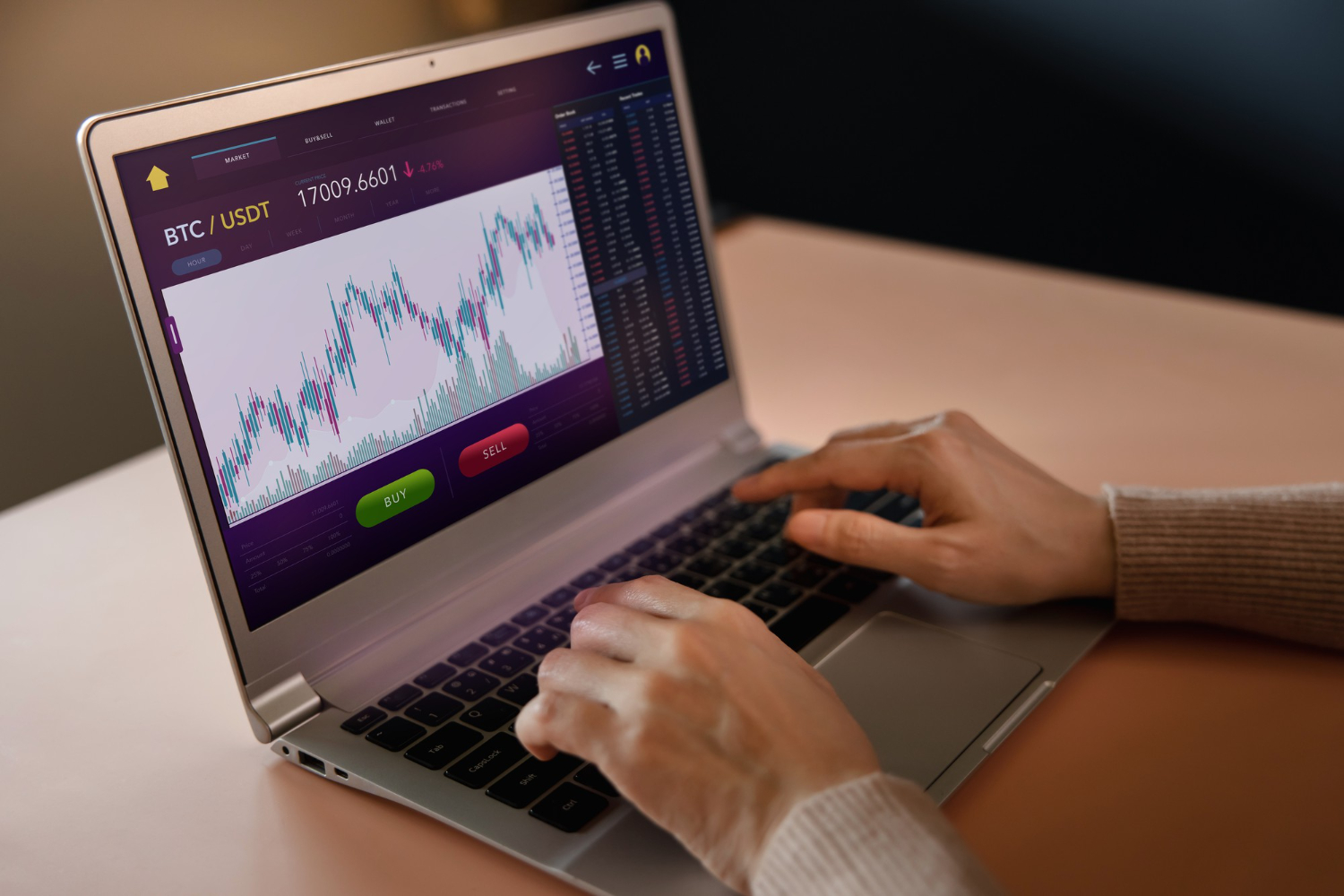

India’s Forex market surges with USD/INR volatility, fueled by RBI policies and global shifts-yet 90% of traders falter without a solid plan, per SEBI data.
Master the essentials: navigate RBI/SEBI regulations, analyze rupee drivers and key pairs, build risk frameworks, craft entry/exit strategies, and optimize via backtesting on SEBI-registered platforms.
Understanding Indian Forex Regulations
Indian Forex trading operates under strict RBI and SEBI oversight, limiting retail traders to INR-based currency pairs with maximum leverage of 20x on major pairs like USD/INR. This framework, rooted in FEMA 1999, RBI Master Direction 2016, and SEBI (Stock Brokers) Regulations 1992, protects retail traders from excessive risk by mandating exchange-traded derivatives on NSE, BSE, and MCX.
The Liberalised Remittance Scheme (LRS) caps annual Forex outflows at $250,000 per person, ensuring compliance for legitimate currency trading. Retail traders must stick to INR pairs to avoid violations, focusing on risk management through position sizing and stop loss orders tailored to rupee volatility.
Hawala risks remain high, as seen in the 2022 ED crackdown that seized 500 crore in illegal operations. Legitimate traders report profits via ITR-2 and adhere to LRS limits above $25,000, building a Forex trading plan that prioritizes FEMA compliance for sustainable profits in the Indian market.
Experts recommend verifying broker SEBI registration and using demo accounts for practice, integrating economic indicators like RBI interest rates and CPI inflation into entry exit rules for USD/INR and EUR/INR trades.
RBI and SEBI Guidelines
RBI’s Master Circular (2015) mandates all Forex trades through SEBI-registered exchanges like NSE/BSE/MCX, prohibiting OTC trading. This ensures transparency in currency trading with INR pairs, supporting a solid Forex trading plan focused on legal platforms.
Compliance starts with a bulleted checklist for retail traders:
- KYC with PAN/Aadhaar mandatory for all accounts.
- Trading only INR pairs like USD/INR, EUR/INR, GBP/INR, JPY/INR.
- No exotic pairs to avoid regulatory breaches.
- LRS reporting required above $25,000 annually.
- ITR-2 filing for all Forex profits as capital gains.
Verify brokers via SEBI’s registration process, such as Zerodha’s SEBI Reg No: INZ000031633. Select Indian Forex brokers like Upstox or Angel One with demat accounts for NSE currency derivatives.
Incorporate these into your trading strategy, using technical analysis like moving averages and RSI for USD/INR during trading hours IST, while monitoring RBI MPC minutes for fundamental shifts.
Leverage and Margin Limits
SEBI caps leverage at 20x for USD/INR futures (2000 margin per lot) and 10x for currency options as per 2023 circular. These limits promote risk management in the Indian market, where NSE adjusted USD/INR lot sizes from 1000 to 500 units in 2023 for better accessibility.
Use this comparison table for major INR pairs:
| Currency Pair | Lot Size | Margin Required | Max Leverage |
| USD/INR | 1000 | 2000 | 20x |
| EUR/INR | 1000 | 2500 | 16x |
| GBP/INR | 1000 | 3500 | 12x |
Calculate margins with the formula: Margin = (Lot Size x Price) / Leverage. For a USD/INR lot at 83, margin is roughly 2000 at 20x, aiding position sizing in your Forex trading plan.
Factor in swap costs for overnight positions and weekend gaps, using stop loss and take profit levels based on support resistance and candlestick patterns. Backtest strategies on MCX Forex platforms to align with rupee volatility from oil prices and FII flows.
Market Analysis for India
INR volatility averages 8-12% annually, driven by RBI interventions, FII flows (2.5L crore in 2023), and US Fed policy divergence. Traders building a Forex trading plan for the Indian market must track India-specific factors like RBI Forex reserves ($620B, Oct 2024), current account deficit (1.2% GDP), and crude oil import dependence (85%). These elements shape rupee volatility and inform entry exit rules.
A correlation matrix reveals key links, such as USD/INR versus crude oil (0.72) and versus 10Y G-Sec (-0.68). For instance, rising oil prices often pressure the INR, prompting RBI interventions. Use this data in fundamental analysis to set stop loss and take profit levels aligned with Indian economic indicators.
Incorporate seasonal patterns like monsoon effects on agri GDP and union budget impacts into your strategy. Combine technical analysis tools such as moving averages and RSI indicators with these factors for better position sizing. Regular plan review quarterly ensures adaptation to Nifty impact and Bank Nifty movements.
Focus on NSE currency derivatives and MCX Forex for liquidity. Track FII flows and trade balance to gauge market sentiment, enhancing risk management in USD/INR and EUR/INR trades during trading hours IST.
Rupee Volatility Factors
USD/INR spiked 5.2% during March 2020 COVID crash; FII outflows of 1.1L crore caused 4.8% rupee depreciation in Oct 2023. Understanding these volatility drivers is key for a tailored Forex trading plan. Rank them to prioritize in your fundamental analysis and backtesting strategy.
- RBI MPC decisions (35% impact): Rate changes directly sway INR; monitor MPC minutes for cues on interventions like buying $35B in 2022.
- US Fed rate changes (28% impact): Policy divergence pressures USD/INR; adjust position sizing ahead of FOMC announcements.
- FII flows (20% impact): Inflows strengthen INR, outflows weaken it; track NSE data for swing trading setups.
- Crude oil ($80+/bbl = +2% pressure): India’s 85% import reliance amplifies effects; use in hedging strategies.
- CAD data (12% impact): Widening deficits depreciate INR; pair with inflation CPI reads.
- Monsoon deficit (-1.2% agri GDP): Hurts rural demand; factor into seasonal trades.
- Union Budget: Fiscal announcements spike volatility; plan around news events.
Apply this ranked list to set drawdown limits and risk reward ratios. For example, during high FII outflow periods, tighten stop losses on long INR positions. Maintain a trading journal to log these factors’ influence on performance metrics like win rate.
Key Currency Pairs (USD/INR, EUR/INR)
USD/INR dominates with 75% market share (avg daily volume 85,000 crore), followed by EUR/INR (18%), GBP/INR (5%). These INR pairs suit day trading India due to liquidity in NSE currency derivatives. Build entry exit rules around their seasonality chart data and high cross-pair correlations like USD/INR vs EUR/INR (-0.92).
| Pair | Avg Daily Range (pips) | Volatility (ATR) | Lot Size | Trading Hours IST |
| USD/INR | 45-65 | 0.45% | 1000 | 9AM-5PM |
| EUR/INR | 35-50 | 0.38% | 1000 | 9AM-5PM |
Use this comparison for broker selection like Zerodha Forex or Upstox currency, respecting SEBI guidelines and leverage limits. For USD/INR, employ candlestick patterns and MACD crossover during peak hours. EUR/INR suits scalping Forex with tighter ranges, always factoring swap costs for overnight positions.
Integrate technical analysis like Fibonacci retracement and trendlines with RBI regulations. Diversify across GBP/INR and JPY/INR for balanced capital allocation. Forward test strategies on demo accounts before live trading transition, noting bid ask spread and liquidity INR.
Risk Management Framework
Limit risk to 1% capital per trade; maximum 6% portfolio risk across 6 open positions. This approach protects your account from large losses in the Indian Forex market. It aligns with RBI regulations and NSE margin realities for INR pairs like USD/INR.
Follow the 1:2 risk/reward minimum to ensure winning trades outweigh losses over time. Set stop loss and take profit levels accordingly. A 5% monthly drawdown cap keeps drawdowns in check during rupee volatility from economic indicators like RBI interest rates or FII flows.
Adapt Van Tharp’s position sizing model for INR pairs, factoring in MCX Forex leverage limits and NSE currency derivatives. This framework supports currency trading strategies such as scalping or swing trading. It promotes discipline amid Nifty impact and trade balance news.
Combine this with entry exit rules based on technical analysis like RSI indicator or MACD crossover. Journal trades to track performance metrics like win rate and expectancy. Regular plan review ensures adaptation to market sentiment and budget impacts.
Position Sizing for Indian Traders
For 5 lakh accounts risking 1% (5000), USD/INR stop loss at 50pips equals 1 lot (1000 notional). Use the formula: Lot Size = (Account x Risk%) / (Stop Loss Pips x Pip Value). This tailors positions to SEBI guidelines and broker margin requirements on platforms like Zerodha Forex.
Example one: 2L account, 1% risk, 40pip SL yields 0.5 lot USD/INR. Example two: 10L account, 2% risk, 30pip SL gives 6.67 lots EUR/INR. Adjust for GBP/INR or JPY/INR volatility from oil prices India or monsoon effects.
Automate with Excel formula: = (A1 * B1) / (C1 * D1), where A1 is account size, B1 risk percent, C1 stop loss pips, D1 pip value. For Python, use: lot_size = (account * risk_pct) / (sl_pips * pip_value). Test on demo accounts before live trading with Indian Forex brokers like Upstox currency.
Incorporate risk reward ratio and diversification across INR pairs. Monitor swap costs for overnight positions and weekend gaps. Backtest strategies with historical data from economic calendar events like RBI MPC minutes for sustainable profits.
Developing Entry and Exit Strategies
Combine MACD crossover on USD/INR 15min charts with RBI MPC news for a solid 2.1:1 reward/risk setup in your Forex trading plan. Use technical entries like RSI and MACD confluence to spot high-probability trades. Add fundamental filters by avoiding RBI announcement days to manage rupee volatility.
Maintain a minimum 1:2.5 risk/reward ratio on all INR pairs such as EUR/INR or GBP/INR. Target a realistic win rate through backtesting on NSE currency derivatives. This approach fits Indian market hours in IST and SEBI guidelines for leverage limits.
For exits, set stop loss below recent swing lows and take profit at key resistance levels. Incorporate position sizing based on 1% account risk per trade. Journal every entry and exit to track discipline and adapt to Nifty impact or FII flows.
Practice on a demo account with MetaTrader India before live trading. Review strategies quarterly to handle monsoon effects or oil prices on INR. This builds sustainable profits in currency trading tailored to RBI regulations.
Technical Indicators
USD/INR 15min MACD(12,26,9) paired with RSI(14 above 30) offers clear signals for day trading India. These tools help identify entry exit rules in volatile INR pairs. Experts recommend combining them for trend confirmation on MCX Forex.
Use this settings table for technical analysis on USD/INR and other pairs:
| Indicator | Timeframe | USD/INR Settings | Signal |
| MACD | 15min | 12,26,9 | Bullish crossover above zero |
| RSI | 15min | 14 | Long below 30, Short above 70 |
| EMA | 1H | 20+50 | Golden/Death cross |
| Bollinger | 1H | 20,2 | Breakout + volume |
Confirm signals with candlestick patterns like engulfing bars at support resistance. Add volume spikes for breakout trading on JPY/INR. Backtest on TradingView to refine your trading strategy.
Here is a basic TradingView Pine Script snippet for MACD+RSI confluence:
//@version=5 indicator(“MACD RSI Confluence overlay=false) [macdLine, signalLine, _] = ta.macd(close, 12, 26, 9) rsi = ta.rsi(close, 14) plot(macdLine) plot(signalLine) plot(rsi, “RSI”) bgcolor(ta.crossover(macdLine, signalLine) and rsi < 30? color.green: na)
Apply to 15min charts for scalping Forex during Bank Nifty sessions. Forward test with small lots to ensure fit for your risk management.
Fundamental News Triggers
RBI rate cuts greater than 25bps often drive USD/INR moves in the Indian market. Track high-impact events to filter entries in your Forex trading plan. This blends fundamental analysis with technical setups for better expectancy.
Monitor this high-impact economic calendar for INR pairs:
| Event | Impact | Avg USD/INR Move |
| RBI MPC | 80pips | |
| US NFP | 65pips | |
| CPI India | 45pips | |
| FII data | 35pips |
Integrate with MT4 economic calendar alerts to avoid trades pre-event. For example, the 2023 Budget caused a +2.1% USD/INR spike post-announcement due to fiscal surprises. Adjust for US Fed impact or ECB policy on EUR/INR.
Set news filters: skip entries 30 minutes before RBI MPC minutes. Watch GDP India, inflation CPI, or trade balance for rupee volatility. Use this for swing trading with 1:2.5 R/R on NSE currency options.
Trading Psychology and Discipline
A SEBI 2023 study shows 90% of Indian Forex traders lose money within 6 months. Discipline separates the 10% winners from the rest in the volatile Indian market. Mastering trading psychology builds a solid Forex trading plan for INR pairs like USD/INR and EUR/INR.
Emotional control prevents impulsive trades during rupee volatility from RBI announcements or FII flows. Traders often chase losses on MCX Forex or NSE currency derivatives, ignoring risk management. Consistent habits foster long-term success in currency trading.
Adopt five daily discipline rules to stay focused during trading hours IST. These rules align with SEBI guidelines and RBI regulations for legal Forex trading. They help manage leverage limits and margin requirements on platforms like Zerodha Forex or Upstox currency.
- Pre-market checklist (5min): Review economic indicators like India GDP, CPI inflation, and RBI interest rates. Check Nifty impact and Bank Nifty for rupee sentiment.
- Trade only A+ setups (max 3/day): Wait for high-probability entries using technical analysis on USD/INR, like RSI indicator or MACD crossover.
- 2min post-trade journal: Note entry exit rules, stop loss, take profit, and risk reward ratio for every position.
- Walk away after 2 losses: Protect capital from drawdown during high volatility like budget impact or election periods.
- Weekly 30min review: Analyze journal for patterns in win rate and expectancy, adjusting your trading strategy.
Track psychology metrics with this simple template to monitor discipline.
| Metric | Daily Target | Actual | Notes |
| Trades Taken | <3 A+ only | ||
| Journal Entries | 100% | ||
| Losses Hit Stop | <2 | ||
| Emotional State | Calm | e.g., Greed after win | |
| Review Time | 30min weekly |
Mark Douglas, adapted for INR traders, said, “Accept that losses are part of trading USD/INR swings from oil prices India or monsoon effects. Focus on process over outcome.” He also noted, “Discipline in position sizing and walk-away rules turns average strategies into sustainable profits.” Apply these to backtest your plan on MetaTrader India.
Backtesting and Plan Optimization
Backtest minimum 500 USD/INR trades using 3 years of 15min data, targeting Sharpe ratio> 1.2 and profit factor> 1.5. This step validates your Forex trading plan against historical Indian market conditions like rupee volatility and RBI interventions. Focus on INR pairs such as USD/INR, EUR/INR, and GBP/INR to mirror real currency trading.
Start with a simple Excel template for manual checks before advancing to automated tools. Import NSE USD/INR minute data, available for about 500 per year from reliable sources. Test at least 20 variations of your entry exit rules, incorporating technical analysis like MACD crossovers and RSI indicators.
Run Monte Carlo simulations with 1000 iterations to assess drawdown risks under random trade sequences. Apply walk-forward optimization to avoid overfitting, dividing data into in-sample and out-of-sample periods. This ensures your trading strategy adapts to evolving factors like FII flows and economic indicators.
Track key performance metrics in a table for clarity. For example, compare strategies on win rate, average win, average loss, and expectancy.
| Strategy | Win% | Avg Win | Avg Loss | Expectancy |
| MACD+RSI | 64% | 72 pips | 38 pips | 0.42 |
Step-by-Step Backtesting Process
Follow these steps to rigorously backtest your USD/INR strategy. Begin by downloading an Excel template suited for NSE data. Next, import NSE USD/INR minute data covering trading hours in IST.
- Load data into Excel or Python for analysis.
- Test 20 variations of parameters like stop loss and take profit levels.
- Perform Monte Carlo 1000 runs to simulate trade randomness.
- Execute walk-forward optimization for forward validity.
Adjust for SEBI guidelines on leverage limits and margin requirements. Verify results against RBI regulations and rupee-specific events like budget impacts.
Python Backtrader Code Snippet
Use Python’s backtrader library for advanced backtesting strategy on INR pairs. This code loads USD/INR data, applies a basic MACD+RSI setup, and computes metrics like Sharpe ratio.
import backtrader as bt class MACDRSI(bt.Strategy): params = ((‘macd1’,12), (‘macd2’,26), (‘rsi_period’,14),) def __init__(self): macd = bt.indicators.MACD(self.data) self.rsi = bt.indicators.RSI(self.data, period=self.p.rsi_period) self.signal = bt.indicators.CrossOver(macd.macd, macd.signal) def next(self): if not self.position: if self.signal> 0 and self.rsi <70: self.buy() elif self.signal <0 or self.rsi> 70: self.sell() cerebro = bt.Cerebro() data = bt.feeds.YahooFinanceData(dataname=’USDINR’, timeframe=bt.TimeFrame.Minutes) cerebro.adddata(data) cerebro.addstrategy(MACDRSI) cerebro.run() print(‘Sharpe Ratio:’, cerebro.analyzers.SharpeRatio.get_analysis())
Tweak this for NSE currency derivatives data and add risk management like position sizing. Run on 3 years of 15min bars to hit your profit factor targets.
Broker Selection and Tools
Choose SEBI-registered brokers with NSE membership. Zerodha leads with a strong user base in currency trading. Verify these details to build a solid Forex trading plan for the Indian market.
Check SEBI registration, NSE/BSE membership, and margin funding speed under 5 minutes. Ensure platform uptime hits 99.9% for reliable trades during trading hours IST. Reference SEBI scam alerts from 2024 to avoid fraud in INR pairs like USD/INR.
Focus on brokers offering NSE currency derivatives with low brokerage and fast execution. Test demo accounts for platform stability before live trading. This step supports risk management in rupee volatility driven by RBI regulations.
Select tools with API access for algo trading India and backtesting strategies. Prioritize those compliant with FEMA and LRS limits for legal currency trading. Integrate economic calendars tracking RBI interest rates and GDP India.
SEBI-Registered Platforms
Zerodha Kite offers 2,000 USD/INR margin, 0.03% brokerage across 4 INR pairs. This setup suits day trading India with instant funding. It includes KiteAPI for custom bots in Python trading.
Compare key features using this table for broker selection in the Indian Forex market.
| Broker | Brokerage | Platforms | Funding Speed | Pairs |
| Zerodha | 0.03% | Kite/KiteAPI | Instant | 4 |
| Upstox | 20/order | Upstox Pro | <2min | 4 |
| Angel One | 0.03% | Angel SpeedPro | <3min | 4 |
| 5Paisa | 20/order | Trader Terminal | Instant | 4 |
API access costs vary, with Zerodha at low fees for developers. MT4 availability is limited, but Kite supports technical analysis tools like RSI and MACD. Upstox Pro excels in scalping Forex due to quick execution.
Angel One provides currency options NSE integration for hedging strategies. 5Paisa offers demat account ease for beginners practicing stop loss and take profit rules. Always confirm KYC norms like PAN and Aadhaar linkage before funding.
Performance Tracking and Review
Track minimum 5 metrics weekly: Win rate above 60%, expectancy over 0.4 pips per trade, max drawdown under 8%, Sharpe ratio greater than 1.2, and profit factor beyond 1.5. These performance metrics help traders in the Indian market assess their Forex trading plan against INR pairs like USD/INR and EUR/INR. Regular checks ensure alignment with RBI regulations and rupee volatility.
Set up a metrics dashboard in a spreadsheet to monitor progress over time. For instance, log your win rate starting from initial trades on NSE currency derivatives. This reveals patterns in trading strategy during high FII flows or RBI interest rate announcements.
Conduct quarterly reviews to refine your approach, focusing on position sizing and entry exit rules. Adjust for economic indicators like India GDP or inflation CPI that impact GBP/INR. This process builds discipline and supports sustainable profits in currency trading.
Experts recommend combining technical analysis reviews with journal trading entries. Note how candlestick patterns or RSI indicator performed during budget impact periods. Consistent tracking adapts your plan to market sentiment and monsoon effects on trade balance.
Metrics Dashboard Template
Use this simple metrics dashboard template to visualize your Forex trading performance. It tracks key indicators weekly, helping spot improvements in risk management for MCX Forex or NSE platforms.
| Metric | Target | Week 1 | Week 4 |
| Win Rate | 62%+ | 58% | 65% |
| R:R Actual | 2.1+ | 1.8 | 2.4 |
| Profit Factor | 1.5+ | 1.3 | 1.7 |
Recreate this in Google Sheets with conditional formatting to highlight greens for targets met and reds for shortfalls. For example, color win rate cells green if above 62% during JPY/INR scalping sessions in IST trading hours.
Update entries after each week’s trades, including stop loss hits from Nifty impact or Bank Nifty moves. This template supports backtesting strategy validation and forward testing on demo accounts before live trading transition.
Quarterly Review Checklist
Follow this quarterly review checklist to keep your Forex trading plan sharp for the Indian market. It ensures adaptation to SEBI guidelines, leverage limits, and margin requirements on Indian Forex brokers like Zerodha Forex.
- Update correlations between INR pairs and gold rupee correlation or oil prices India.
- Adjust position sizes based on drawdown limits and capital allocation rules.
- Add new indicators like MACD crossover or Fibonacci retracement if backtests show promise.
During reviews, analyze trades affected by US Fed impact or RBI MPC minutes. Check expectancy against rupee volatility from election volatility or union budget. This maintains risk reward ratio in swing trading or day trading India.
Incorporate fundamental analysis notes on remittance inflows or Atmanirbhar Bharat effects. Verify FEMA compliance and LRS limit adherence for resident Indians. Such steps promote long-term plan market adaptation and fraud prevention.
Frequently Asked Questions
What is involved in Building a Forex Trading Plan Tailored to the Indian Market?
Building a Forex Trading Plan Tailored to the Indian Market involves defining your trading goals, risk tolerance, and strategies while accounting for RBI regulations, rupee volatility, and local market hours. Start by assessing your capital, selecting currency pairs like USD/INR, and incorporating tools like stop-losses compliant with Indian leverage limits of 1:20 for retail traders.
Why is it essential to tailor a Forex trading plan specifically for the Indian Market?
Tailoring your Forex Trading Plan to the Indian Market ensures compliance with SEBI and RBI guidelines, manages currency restrictions on INR pairs, and aligns with Asian session timings. It helps mitigate risks from events like budget announcements or monsoon impacts on the rupee, optimizing profitability within legal boundaries.
How do Indian regulations affect Building a Forex Trading Plan Tailored to the Indian Market?
Indian regulations, enforced by RBI and SEBI, cap leverage at 1:20, restrict trading to authorized brokers, and limit INR hedging. When Building a Forex Trading Plan Tailored to the Indian Market, incorporate these by focusing on major pairs, maintaining detailed records for audits, and avoiding unauthorized offshore platforms to prevent penalties.
What key components should be included in a Forex Trading Plan Tailored to the Indian Market?
A solid Forex Trading Plan Tailored to the Indian Market includes risk management (e.g., 1-2% risk per trade), entry/exit rules based on technical analysis suited to INR volatility, position sizing per RBI limits, and a journal for backtesting against Indian economic data like CPI or GDP releases.
How can beginners start Building a Forex Trading Plan Tailored to the Indian Market?
Beginners should start Building a Forex Trading Plan Tailored to the Indian Market by educating themselves via SEBI-registered platforms, practicing on demo accounts with Indian brokers like Zerodha or Angel One, setting realistic goals (e.g., 5-10% annual returns), and scheduling trades around 9 AM to 5 PM IST for optimal liquidity.
What common mistakes to avoid when Building a Forex Trading Plan Tailored to the Indian Market?
Avoid overleveraging beyond RBI limits, ignoring rupee-specific news like FII inflows, emotional trading during volatile events such as elections, and neglecting tax implications on Forex gains (taxed as business income). Always backtest your plan with historical Indian market data for reliability.